Understanding facial proportions.
See what each measurement describes, compare the examples, and find out what the research says about your results.
Reading the research
These guides distinguish measured averages, traditional references and results from attractiveness studies. Where a study uses different landmarks or does not validate the app’s reference range, we explain the difference.
Canthal tilt
Canthal tilt measures the slope between the inner and outer eye corners.
Explore canthal tilt
Browse the library
31 in-depth analyses of the proportions Glowometry measures.

Brow-to-upper-eyelid distance
The space between the upper eyelid and brow, and how brow shape and eyelid folds affect its appearance.

Brow length
The full horizontal span of each eyebrow, from its inner edge to its tail.
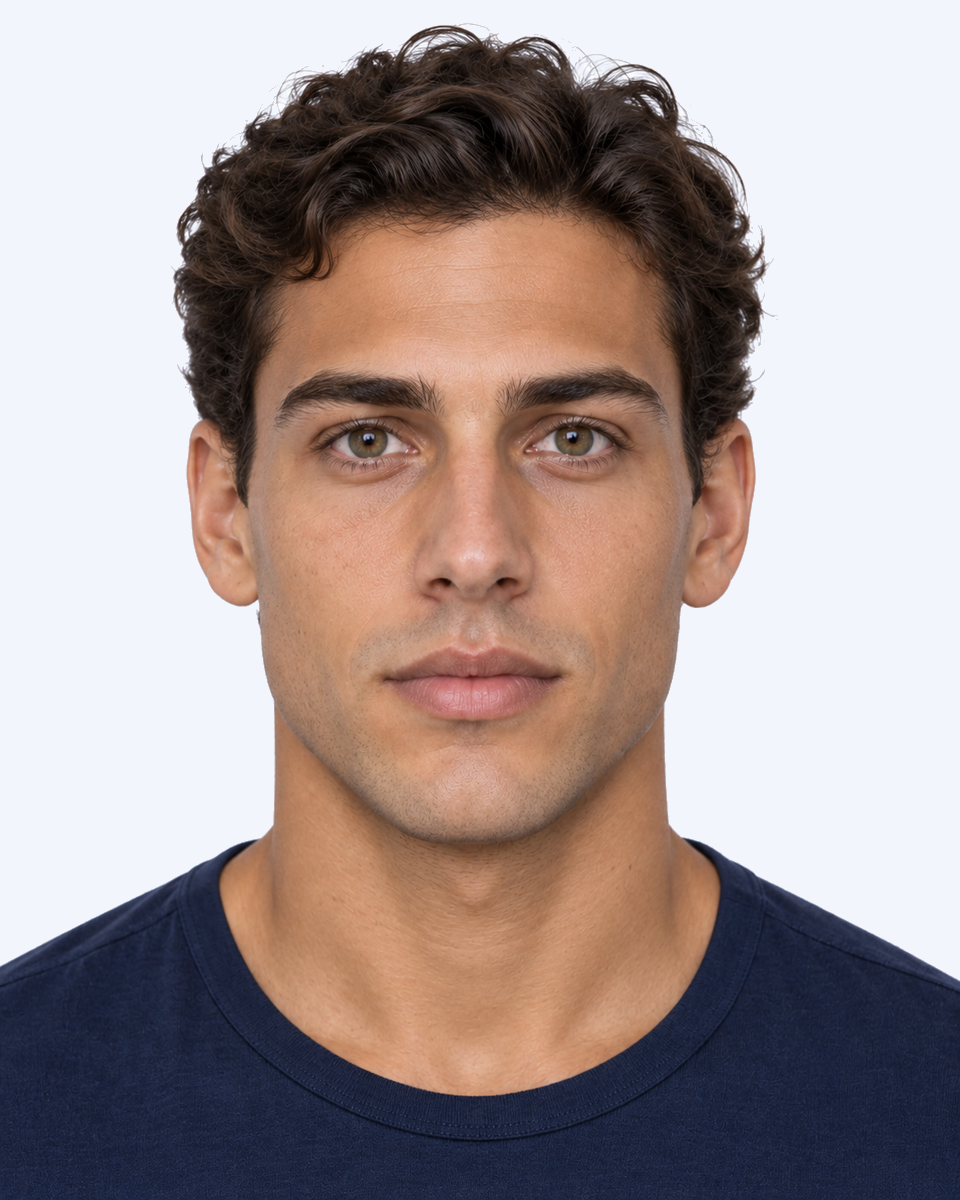
Brow arch angle
The interior angle where the inner and outer sections of the brow meet at its peak.
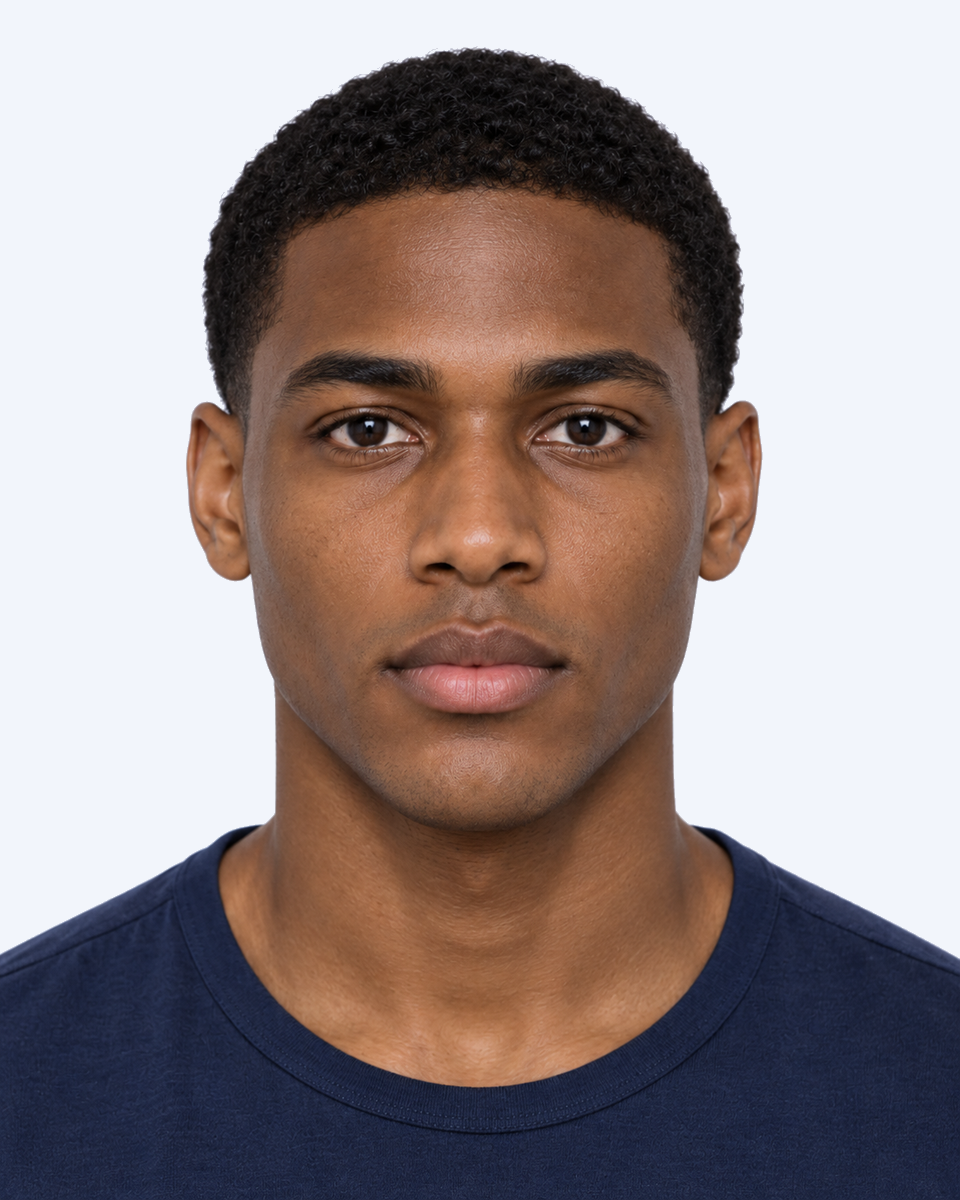
Brow peak position ratio
Where the highest point of the brow falls along its full horizontal length.

Pupil-to-brow distance
The vertical separation between the pupil centre and the lower brow contour.
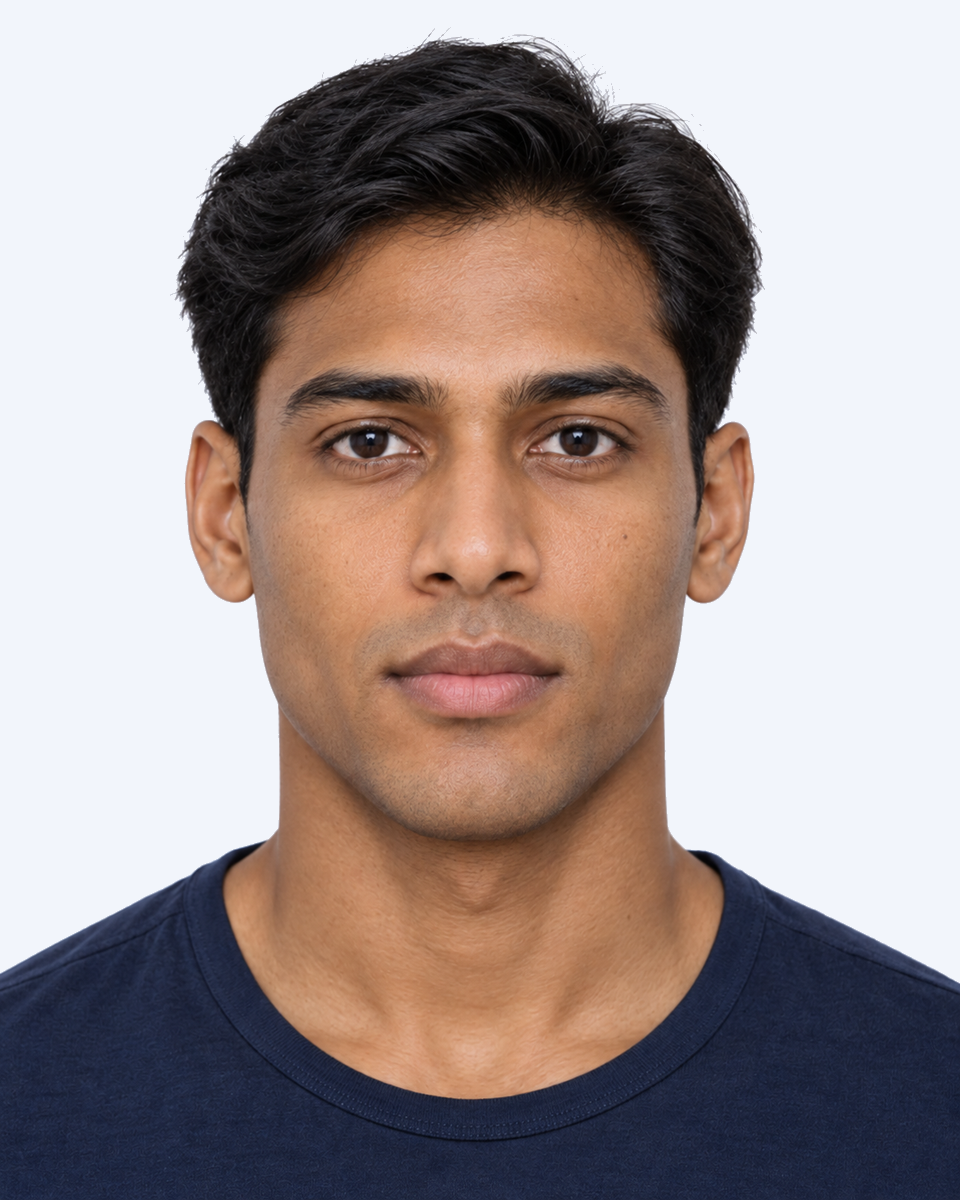
Pupil-to-brow peak distance
The vertical height of the upper brow peak above the pupil centre.

Mouth-to-nose width ratio
The width of the mouth relative to the nose, and how each changes the other's appearance.
Canthal tilt
Canthal tilt measures the slope between the inner and outer eye corners.

Facial width-to-height ratio (fWHR)
Cheekbone width relative to central-face height, with research on appearance and facial growth.

Facial thirds
The division of facial height between the forehead, nasal region and lower face.
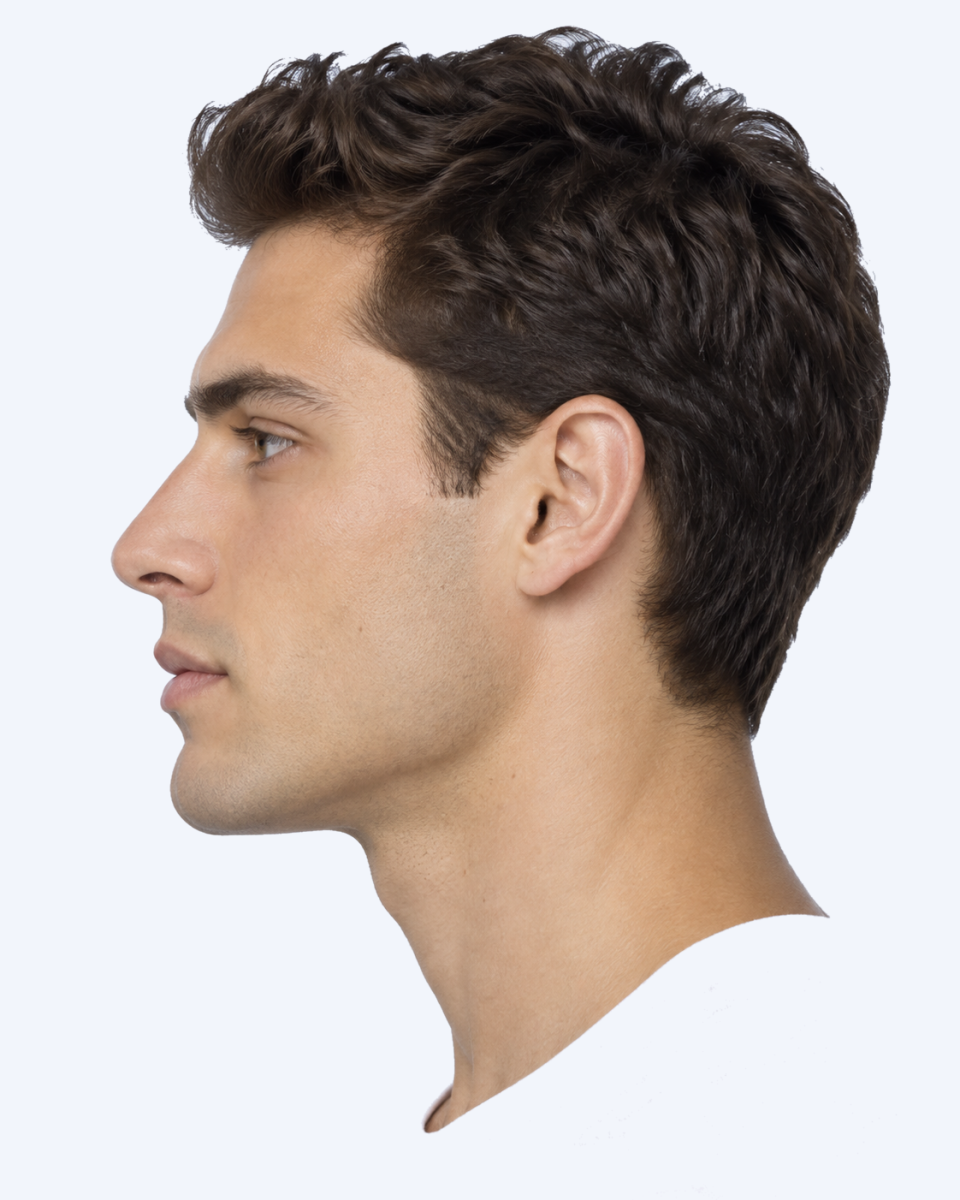
Facial convexity angle
The profile angle that shows whether the forehead, nasal base and chin form a convex, straight or concave line.

Total face height-to-width ratio
Overall face length relative to cheekbone width, and the regions that contribute to that length.

Bitemporal width ratio
Temple width relative to the cheeks, and its effect on the upper facial outline.

Bigonial width ratio
Jaw width relative to the cheekbones, from a tapered lower face to a broader outline.
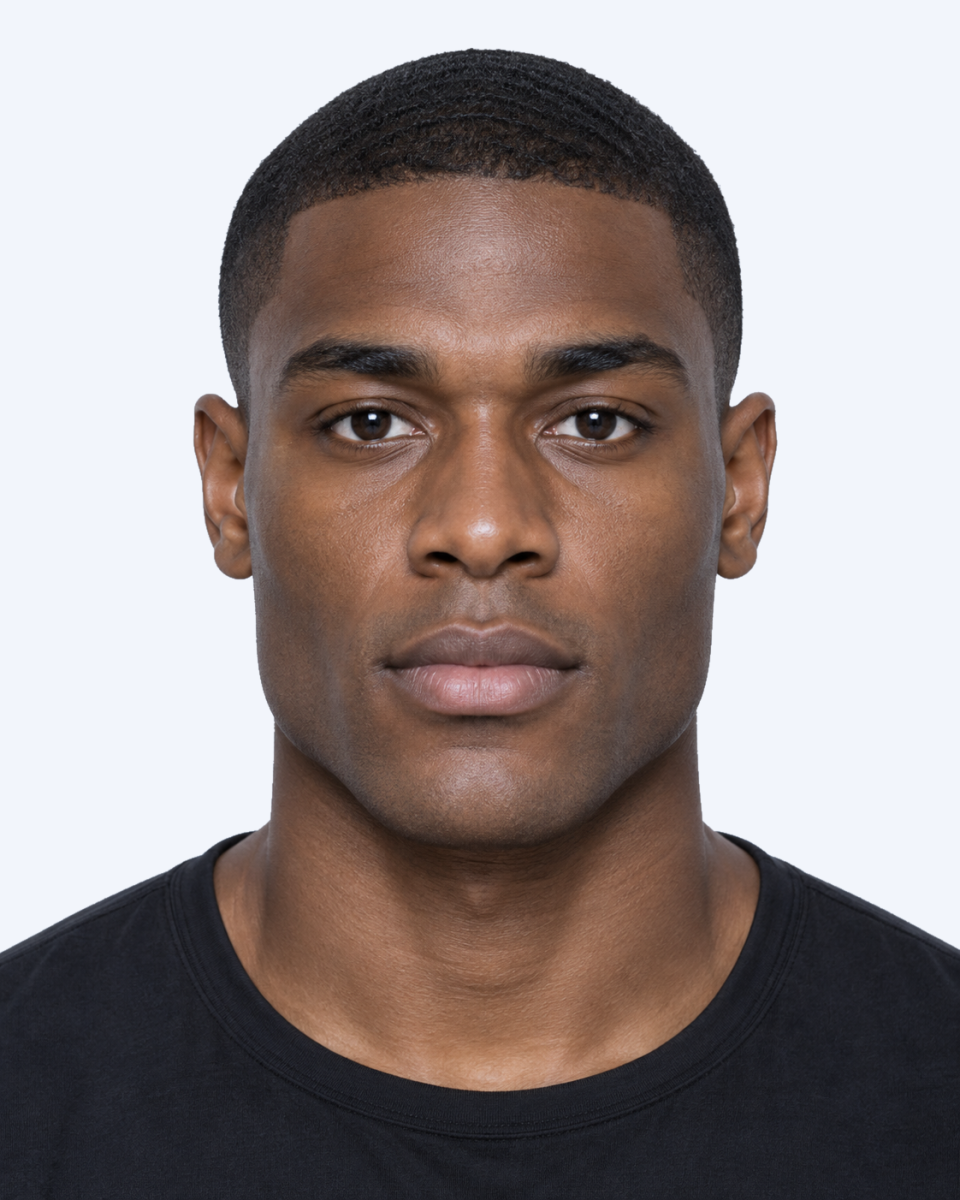
Chin width ratio
Chin width and its effect on the lower face, alongside chin height and jaw shape.
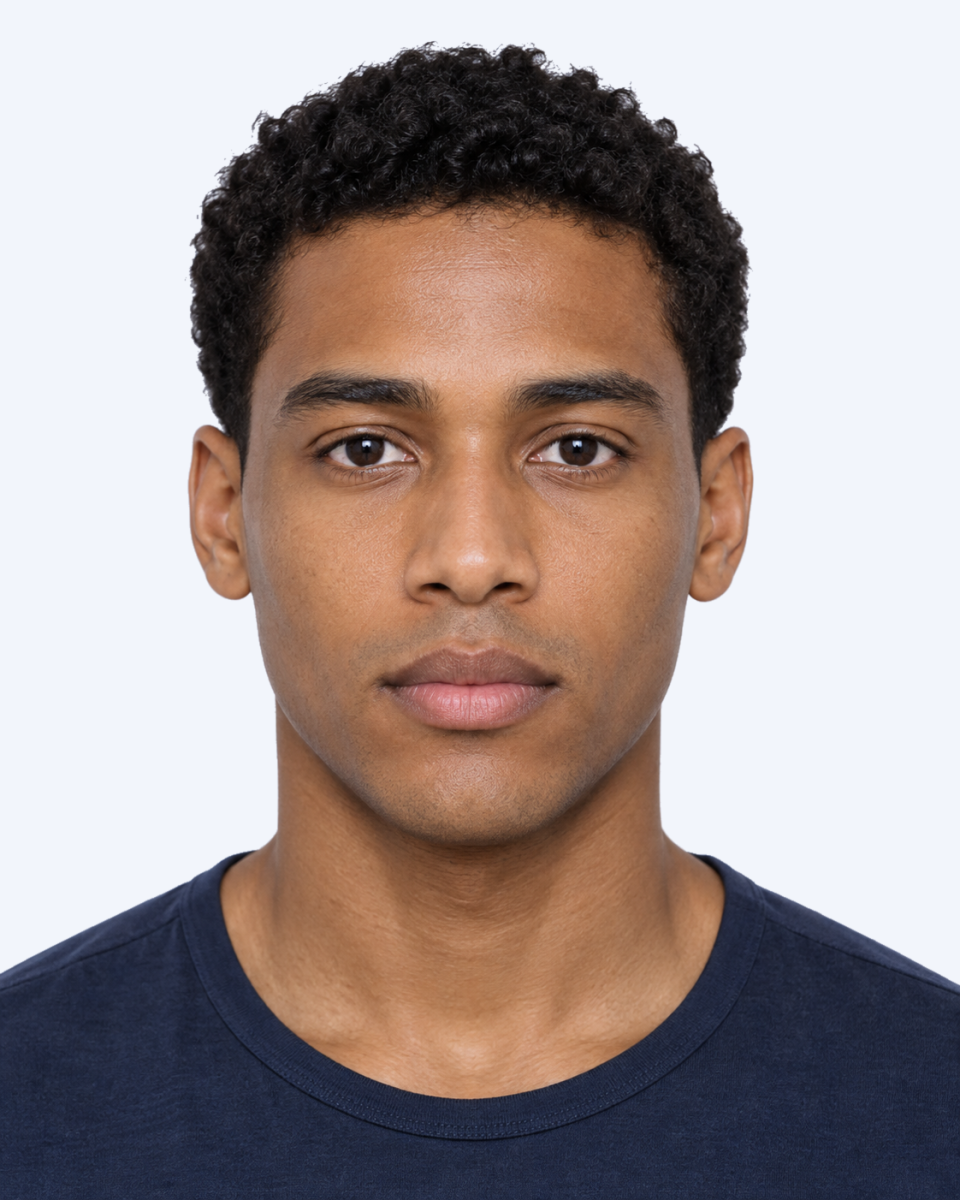
Midface ratio
Pupil spacing compared with eye-to-lip height, and the different facial shapes that can share a midface ratio.

Frontal jaw angle
The slope from the jaw corners to the chin, and how width and height affect the taper.

Ipsilateral alar angle
The triangle between the outer eye corners and nasal base, compared with the shape of the nose and jaw.

Chin-to-philtrum ratio
The height below the lower lip compared with the philtrum above the upper lip.

Eye-to-mouth angle
The angle formed by the pupil centres and mouth, and how spacing changes its shape.

Eye aspect ratio
Eye-opening height relative to width, and the difference between roundness and size.

Interpupillary-to-face width ratio
Pupil spacing relative to cheekbone width, and the difference between eye size and separation.
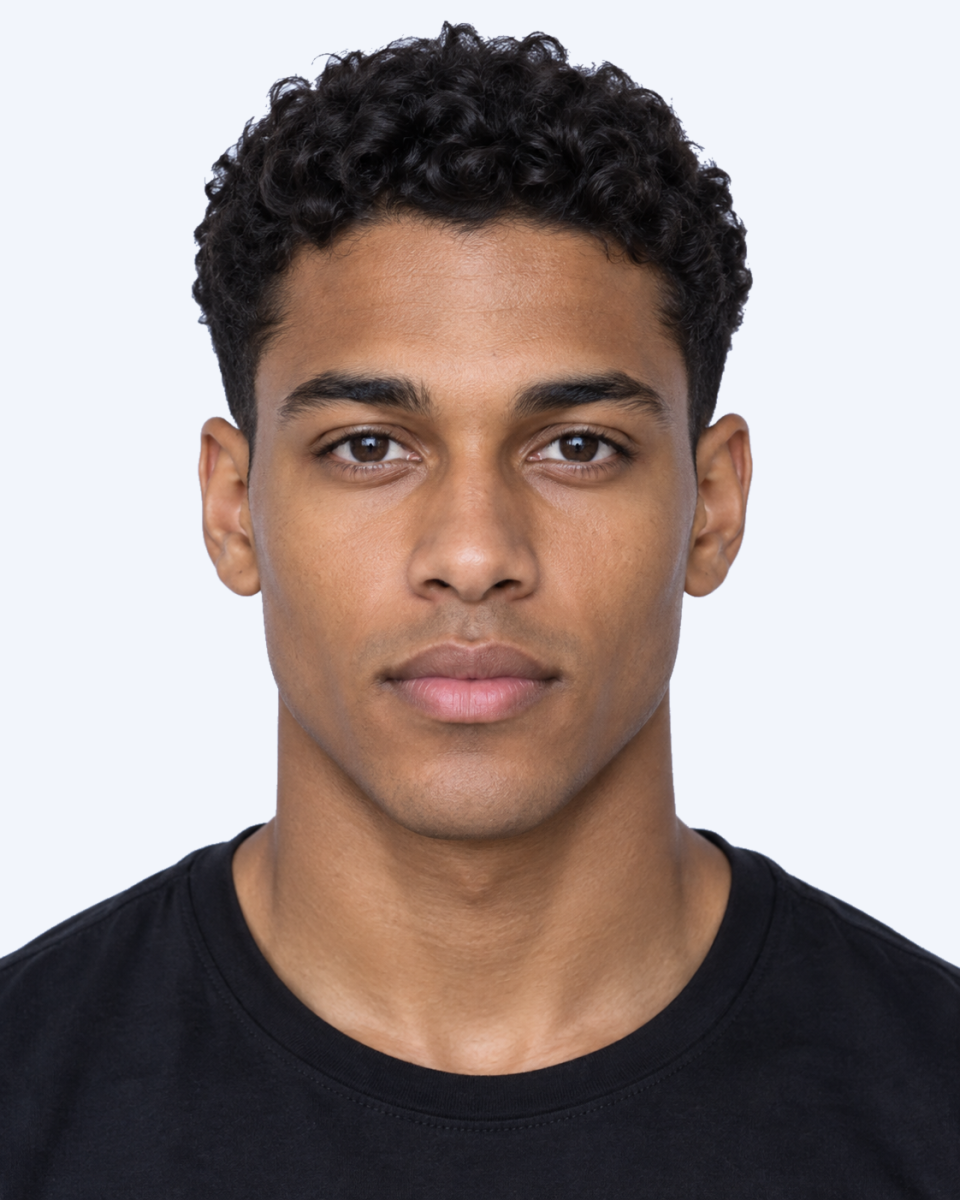
Intercanthal-to-eye width ratio
The inner-eye gap relative to eye width: a larger gap and shorter eyes can produce the same ratio.

Nose-to-intercanthal width ratio
Nasal-base width relative to the inner-eye gap, with examples of the widths matching or differing.
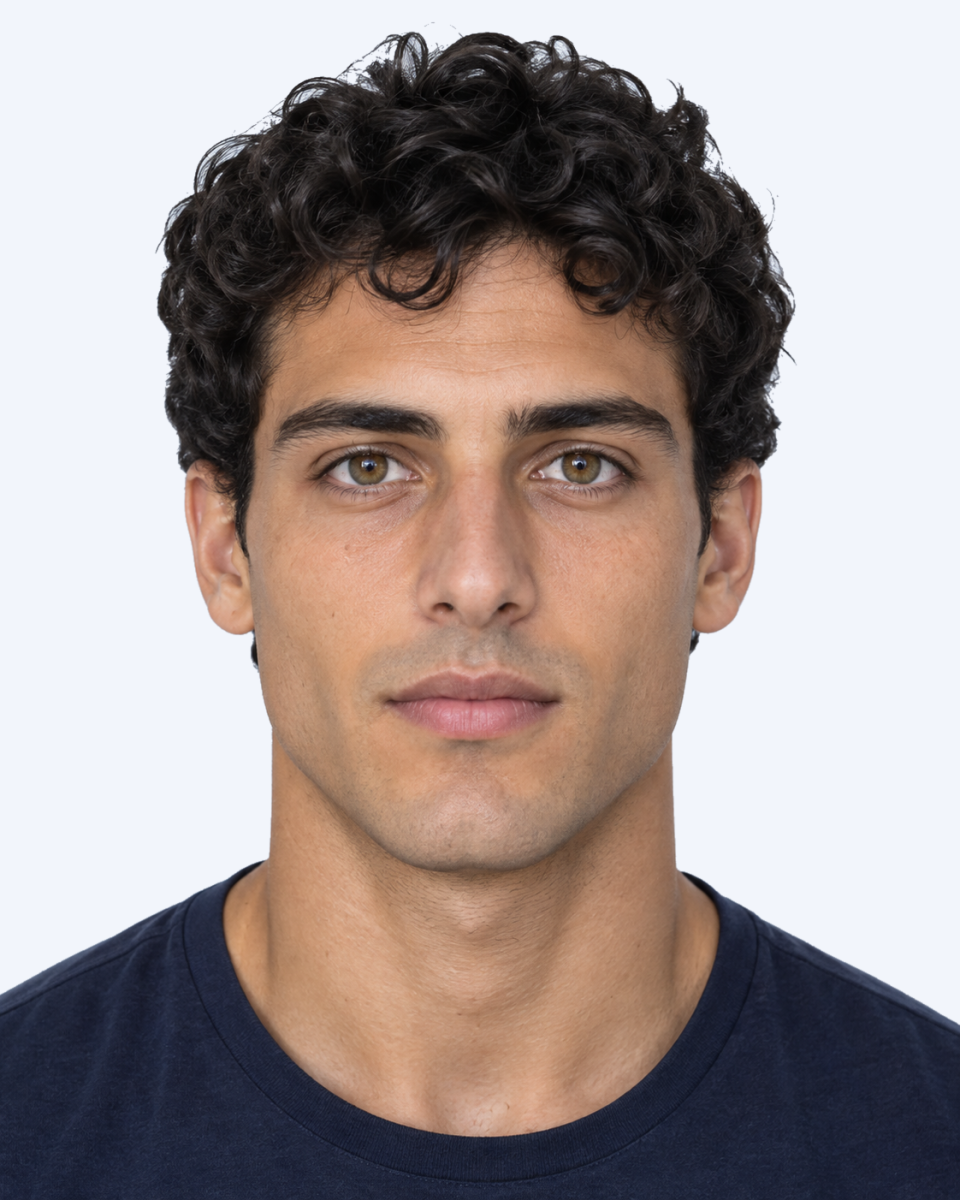
Mouth-to-interpupillary width ratio
Mouth width relative to pupil spacing, and the shape of the central face between them.

Eye width-to-face width ratio
Eye width relative to the cheeks, and how opening height changes the appearance of eye size.

Nose-to-face width ratio
Nasal-base width relative to the cheekbones, and the effect of the surrounding facial width.

Lower-to-upper lip ratio
The relative heights of the lower and upper lips, distinct from their overall fullness.

Nose height-to-width ratio
Nasal height relative to wing width, distinguishing a long nose from a narrow one.
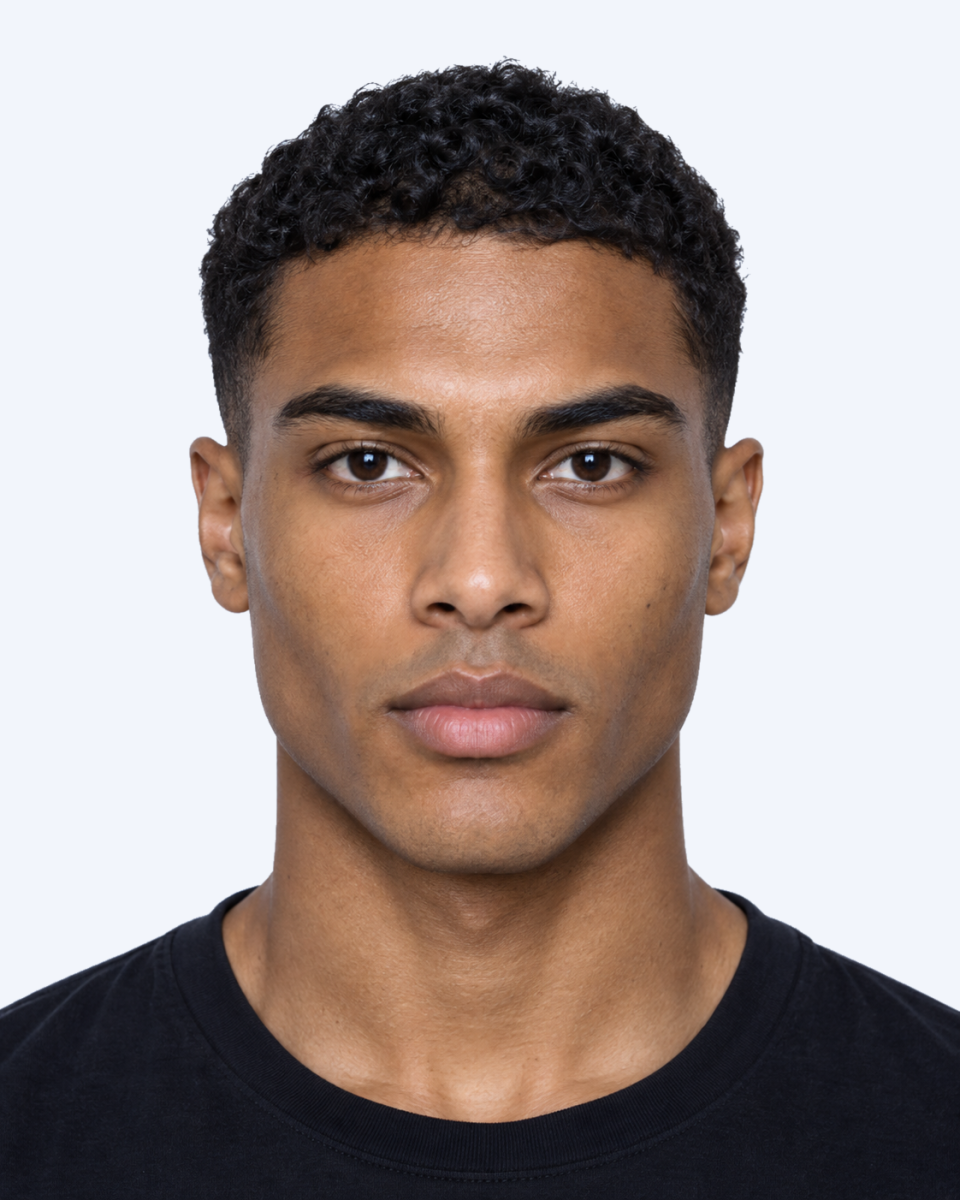
Philtrum-to-lower-third ratio
The share of lower-face height between the nasal base and upper lip.
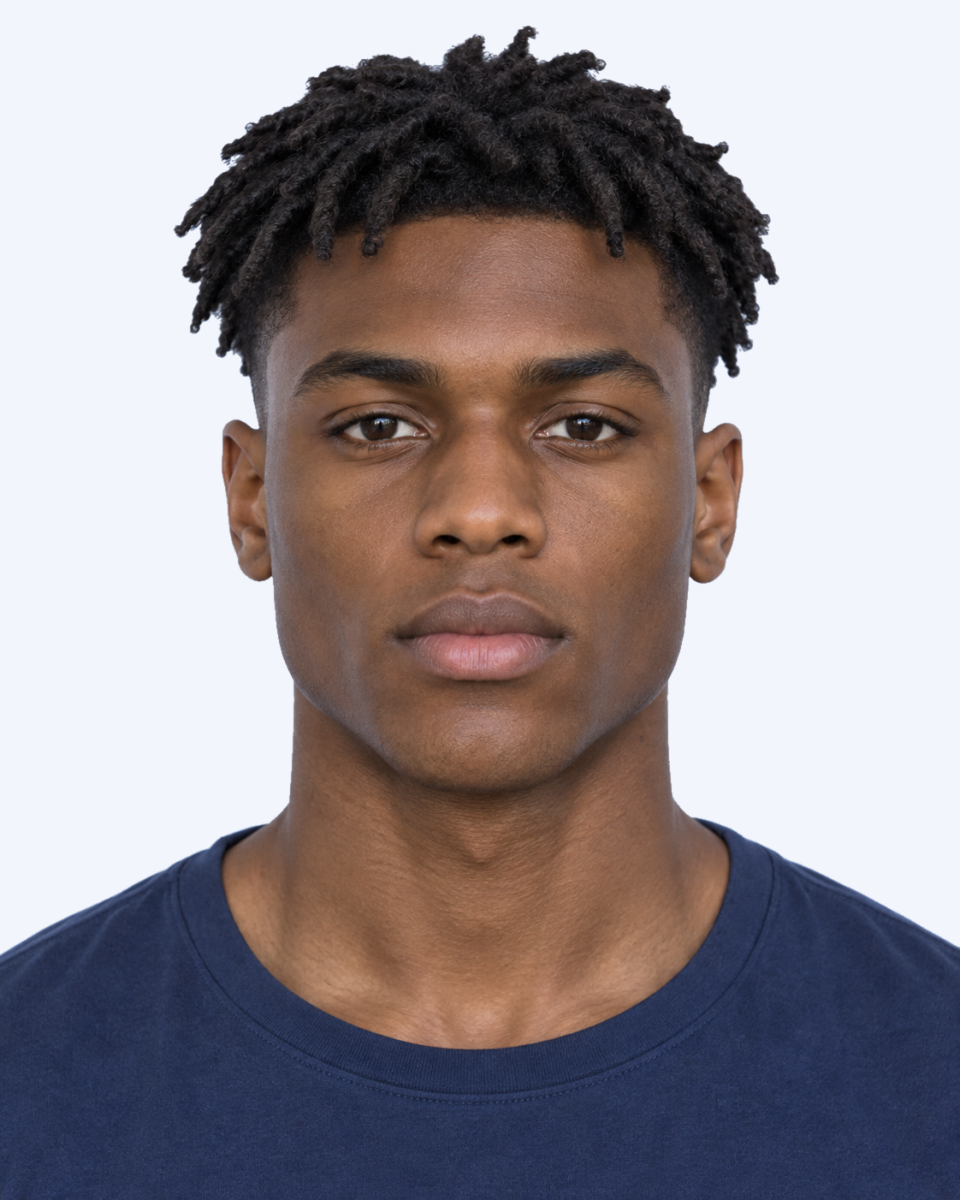
Neck width ratio
Neck width relative to the jaw, and the contour beneath the jaw corners.
Looking for every current measurement?
The full index covers all front and side outputs, while this editorial library expands one protocol at a time.