Pupil-to-brow peak distance
Pupil-to-brow peak distance measures the vertical height of the highest point on the upper brow above the pupil.
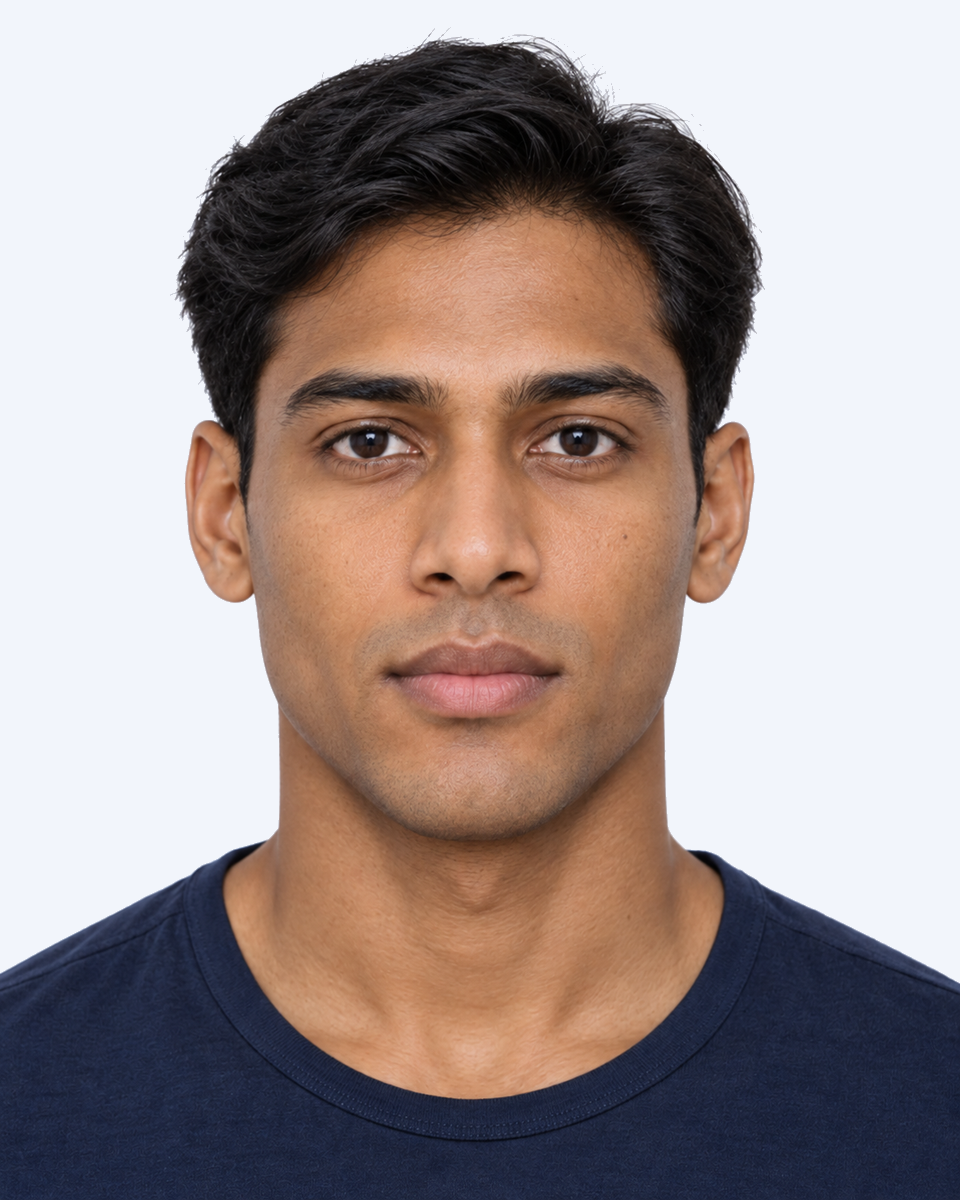
22.26 mm
Pupil-to-brow peak distance
the average height of the brow peaks above pupil level.
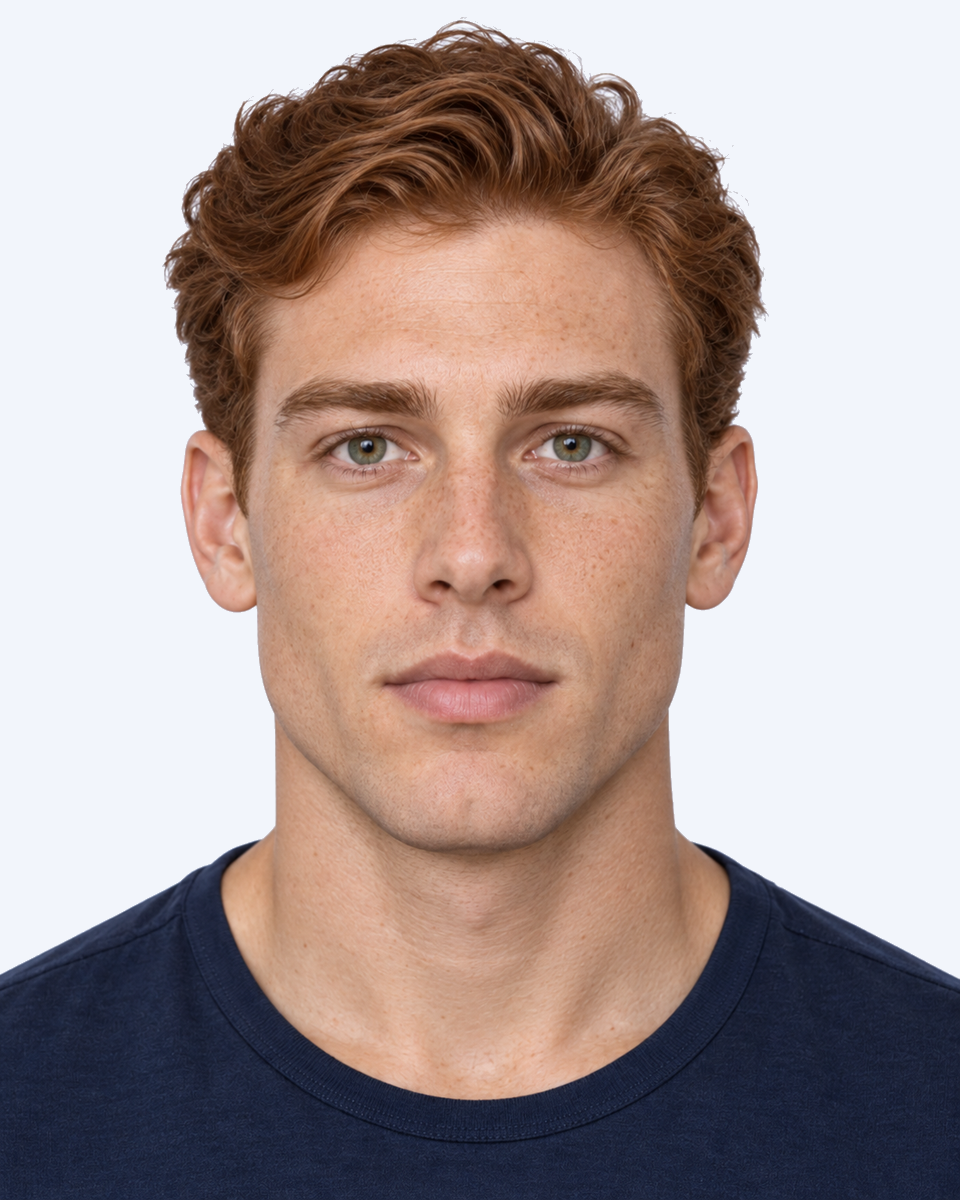
The lines mark pupil-to-brow peak distance.
Smaller and larger gaps
Compare lower and higher values with the original portrait in the centre.
Same model, lower and higher values
Brow shape
A higher peak increases the upper reach of the brow above the eye. A lower peak keeps that contour closer to the pupil line. This height includes the brow’s thickness and its rise, so it can increase while the lower edge stays in the same place.
The surrounding eye region
Compare this height with pupil-to-lower-brow distance and arch angle. A thick flat brow and a thin sharply arched brow can reach the same peak height through different shapes. Peak position adds where that height occurs along the brow.
Male-model reference and app range
Pietruski and Majak reported a vertical midpupil-to-brow-apex distance of 18.94 ± 3.36 mm. The app band of 15.6–22.3 mm is the rounded mean plus or minus one standard deviation.
The study describes a selected group of male models, rather than testing which value maximises attractiveness.
Measurement endpoints
Measure how far the upper brow peak sits above pupil level. Use the vertical height, not the diagonal distance from the pupil to the peak.
Reading your result
The app reference is 15.6–22.3 mm. Below it: The upper brow peak sits lower above the pupil. Above it: The upper brow peak sits higher above the pupil.
Inspect both sides as well as the average. A similar combined value can come from matching brows or from different left and right measurements.
How we measure it
The vertical height of the upper brow peak above the pupil centre.
- 1
Measure how far the upper brow peak sits above pupil level. Use the vertical height, not the diagonal distance from the pupil to the peak.
- 2
Measure both brows separately, then average the results. Millimetre values are estimates from the photograph.
Getting a clear photograph
- Raising or frowning the brows moves their contours. Keep the forehead relaxed.
- Face the camera directly with naturally open eyes. Head turn can distort brow width and height.
- Grooming, sparse tails and shadows can make the brow edge difficult to see.
Check the marked points
- Check that inner endpoints and tails sit on the intended visible brow borders.
- Check the upper contour and selected peak where the guide uses them.
- Confirm that the pupil centres are placed consistently, then inspect each side’s lines.
Measure your pupil-to-brow peak distance
Upload a front-facing photograph to see your result and review the marked points.
Sources
- 1 The Male Eyebrow and Eyelid: An Anthropometric Analysis of White Professional Models
Describes brow dimensions, arch and position in 300 White professional male models.
- 2 Glowometry front-view measurement protocol
Explains the app’s landmark conventions and selected reference bands.
Related guides
Brow length
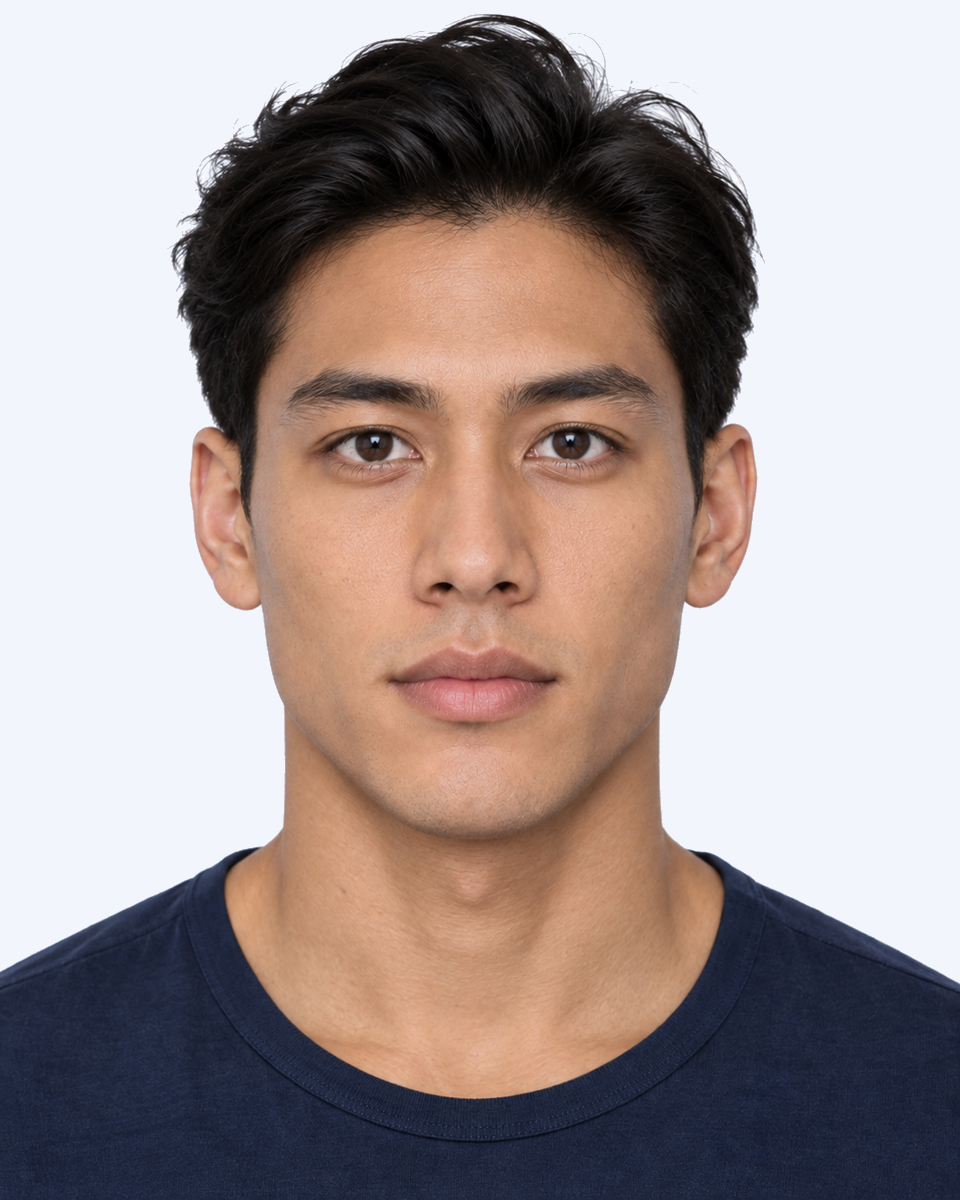
The full horizontal span of each eyebrow, from its inner edge to its tail.
Brow arch angle
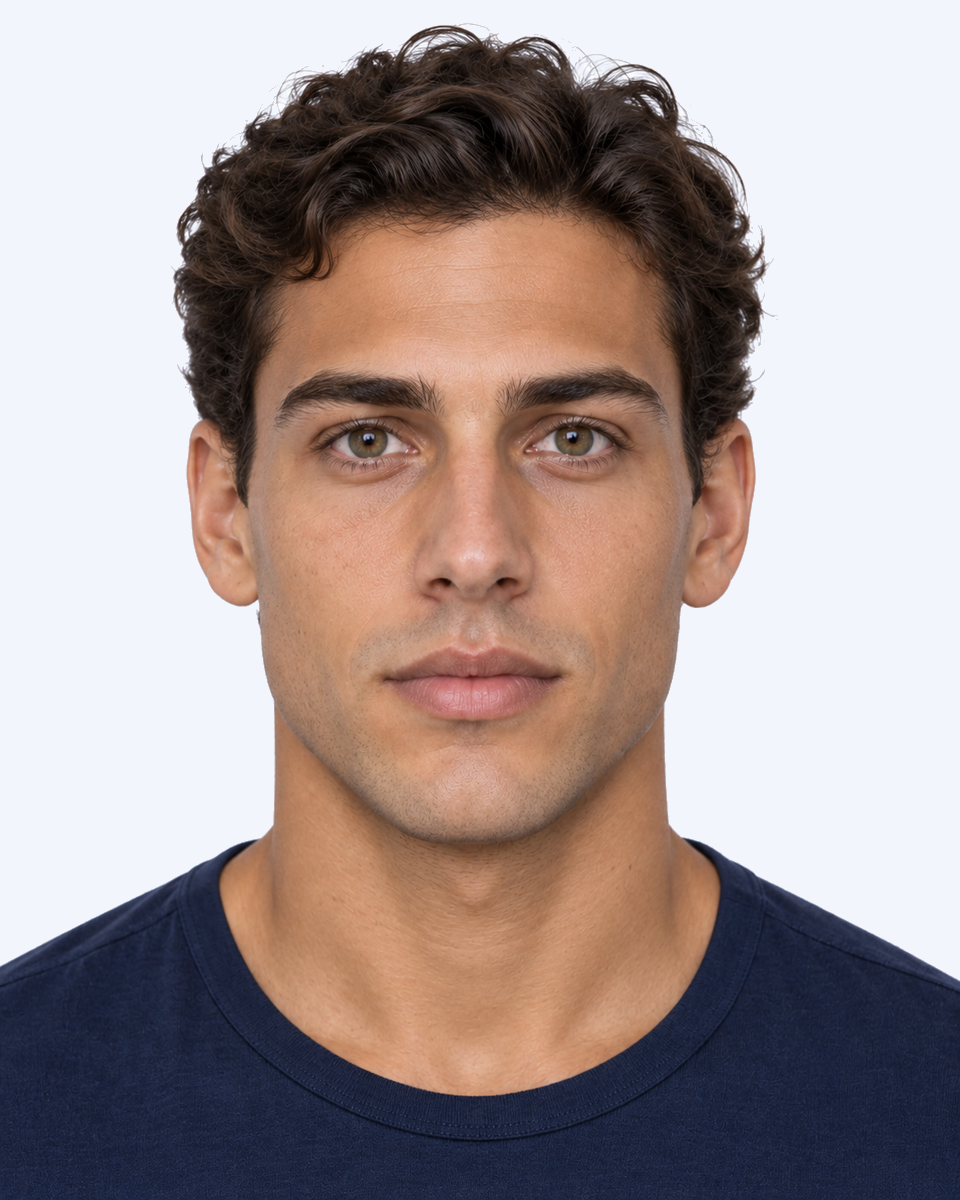
The interior angle where the inner and outer sections of the brow meet at its peak.
Brow peak position ratio
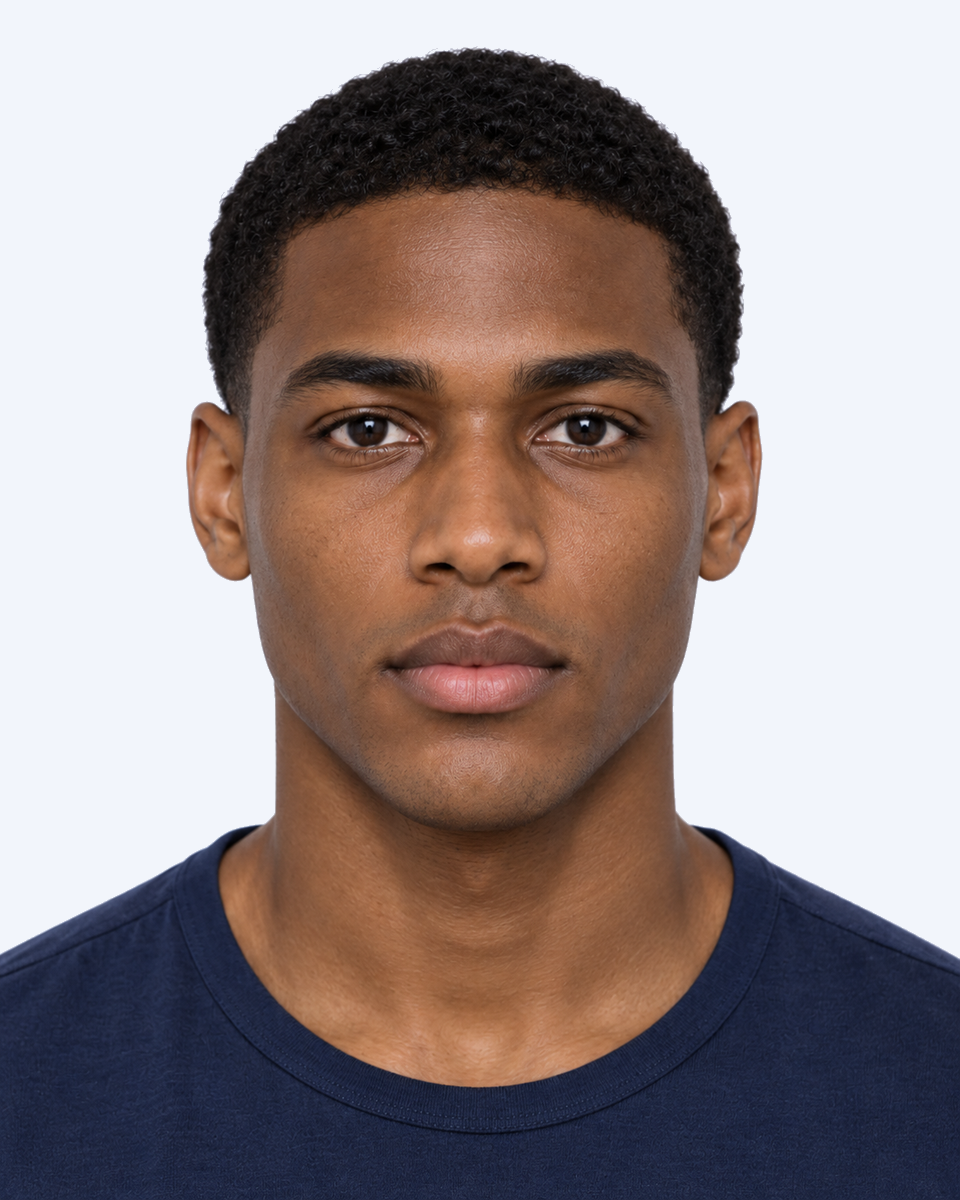
Where the highest point of the brow falls along its full horizontal length.
Pupil-to-brow distance
The vertical separation between the pupil centre and the lower brow contour.